





Table of Contents
March marks the true beginning of the gardening year, as longer days and rising temperatures bring fresh energy to beds, borders and vegetable plots. With spring growth gathering pace, now is the perfect time to sow hardy crops, prepare the soil and set the foundations for a productive season ahead. Read on for our expert advice on what vegetables to grow in March and the essential tasks to keep your garden thriving.
View Our Vegetable SeedsAdvice for Sowing and Planting in March
Sow in the Greenhouse
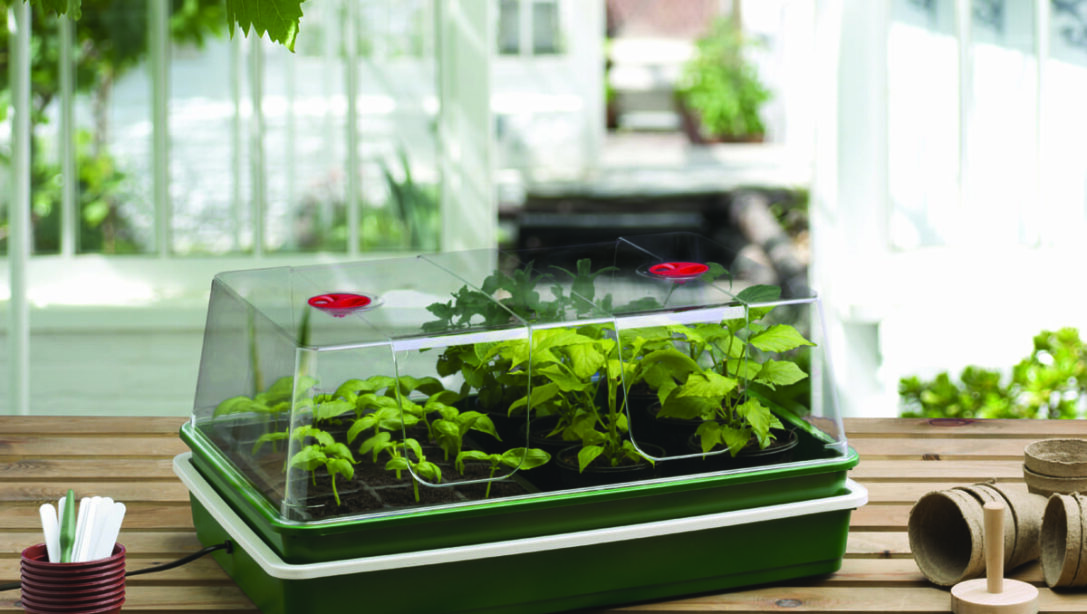
Sow winter brassicas in seed trays and tomato seeds in heated propagators. You can now also start your regular sowing of cut and come again salads to keep you fully stocked with greens for months to come. If you want to give melons a try this year, get these seeds sown in the greenhouse now too. Sow fragrant perennial herbs such as lemon balm, rosemary, sage, thyme and oregano as these are all good to grow in March.
Hillier Tip:
Sow hardy seeds early in March under cover, but keep a soil thermometer handy, aim for soil above 10°C for faster germination. If frost is forecast, protect trays with fleece or cloches for a safer start.
Sow Outside Under Cloches
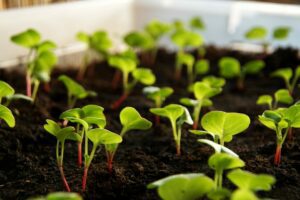
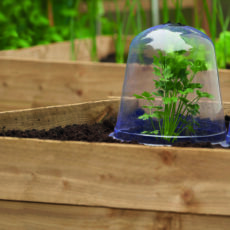
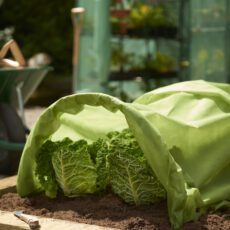
Frosts are common throughout March, so most seeds are best sown indoors until the temperature and soil warm. This is very important to remember if you grow your own in March. Radish and lettuce seeds can be sown outdoors in March, ready for the first salads of the year, but will need a cloche over the top for added protection.
Hillier Tip:
Choose quick‑growing crops like radish and lettuce for direct sowing under cloches, they thrive in early spring and provide fast results you can harvest in weeks.
Sow Outdoors
Sow broad beans directly into the ground, ready for a delicious summer crop. Kale seeds can also be sown in readiness for a healthy and on-trend summer.
If you are a keen organic gardener or simply want to save some money, sowing a comfrey bed now will provide you with organic fertiliser all year. The leaves can be harvested several times a season and can be used as a compost activator, turned into liquid fertiliser, or used as nutrient-releasing mulch.
Plant Outdoors
If you have any first early potatoes that have finished chitting, plant them outside, either in the ground or in a growing bag.
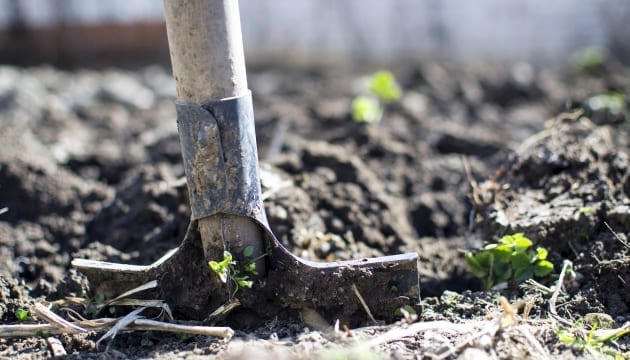
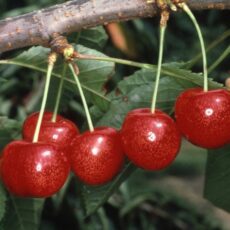
March is the last month for planting bare root fruit trees. Prepare the soil before planting by loosening it with a fork to eliminate compaction and improve drainage. The structure of heavy or sandy soils can also be improved by incorporating some organic matter.
Hillier Tip:
For bare‑root fruit trees and asparagus crowns, firm soil gently and water well after planting. Mulch with compost or well‑rotted manure to protect young roots through sudden cold snaps.
How to Plant Your Fruit Trees
- Remove from container or wrapper.
- Trim any pot-bound roots and spread out evenly.
- Dig a hole that is no deeper than the roots but at least three times the diameter of the root system.
- Soak the roots for about 30 minutes prior to planting.
- Place the tree in the middle of the hole and position it so that the first flare of roots is level with the soil’s surface. Planting the tree too deeply prevents essential air movement to the root system and makes the lower trunk susceptible to disease.
- If you are planting a top-heavy tree, insert a stake for support.
- Refill the hole carefully, placing the soil between and around the roots to prevent air pockets.
- Firm up gently and water well.

Add To Wishlist
To save products, log in to your Gardening Club account or create a free account.
Login To Your Account
 Add To Basket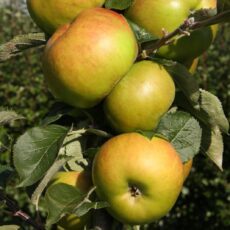
You can also plant asparagus crowns outside now. It can take some time to do this job properly, but if treated well, you may be rewarded with 20 years of harvest! Prepare the soil and apply a general fertiliser about a week before planting. Dig a 30cm wide and 20cm-deep trench, and then pour soil down the length of it to make a 10cm-high mound. Carefully place the crowns on top of the mound, spreading the roots out 30cm apart. Cover with 5cm of raked soil. Water thoroughly and keep damp. They won’t be ready to harvest for two years, but it will be well worth the wait.
Harvesting Your Produce in March
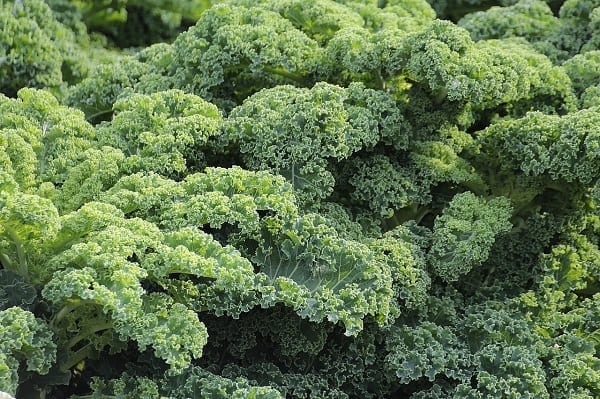
If you have been growing over the winter, some of your produce will be ready to harvest in March, including broccoli spears, winter greens, winter salad leaves, perpetual spinach and kale. These are all a great choice of vegetables to grow in March.
Hillier Tip:
Harvest leafy crops like kale and winter salad leaves when they’re cool and crisp for best flavour. Cut outer leaves first to encourage continuous growth.
Other Key March Grow Your Own Activities
Now is a great time to build or buy a compost bin before the growing season and tasks properly kick off. Having a compost system set up at the start of spring means you can immediately start recycling garden cuttings, vegetable peelings and other organic waste into rich compost. This feeds your soil with nutrients, improves structure and drainage, and reduces the need for artificial fertilisers later in the year.
As you prepare your compost area, spare a moment to assess your garden beds and borders too. March is ideal for clearing spent winter debris, loosening the soil with a fork and adding well-rotted organic matter to regenerate tired ground ahead of sowing or planting out crops. Check and sharpen your tools, clean seed trays and labels, and organise cloches, fleece and cold frames, these protective covers are invaluable for warmer, earlier sowings and keeping tender plants safe from late frosts.
Making these preparations now not only saves time later but lays the groundwork for healthier plants, stronger root development and more productive growth throughout the season.
Add To Wishlist
To save products, log in to your Gardening Club account or create a free account.
Login To Your Account
-230x230.jpg)