


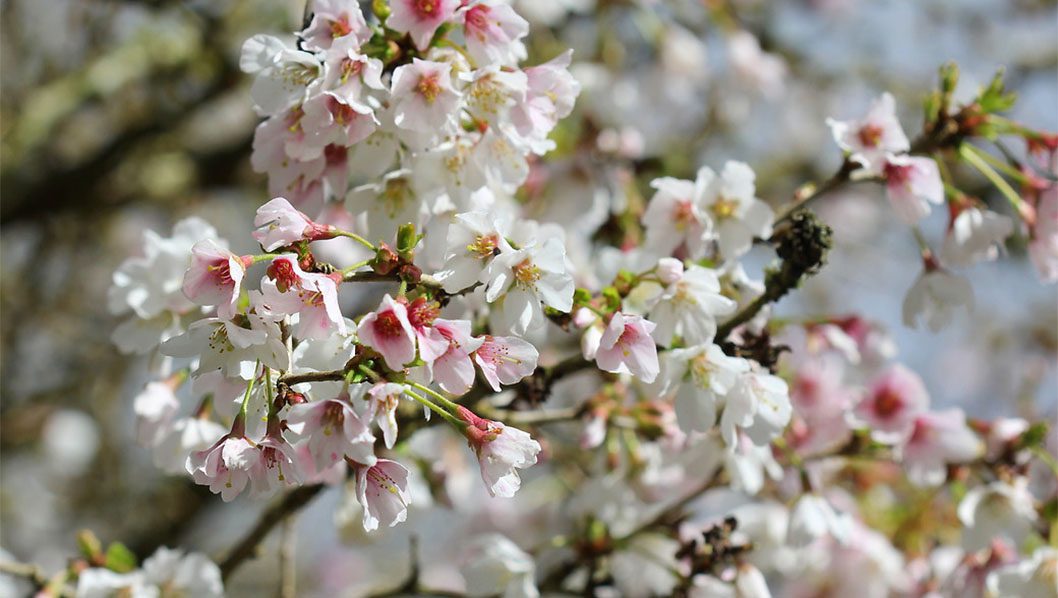


Name: Prunus spp. | Type: Deciduous & Evergreen | Family: Rosaceae
Prunus spp. (Spring-flowering cherries) are a celebrated genus of ornamental trees and shrubs adored for their seasonal colours and abundant blossoms. When spring arrives, these plants brighten any landscapes they’re placed in, especially courtyards and small gardens. Certain varieties of Prunus can bear edible fruit in the autumn, as well as unique ornamental barks.
Prunus’ Appearance and Growth
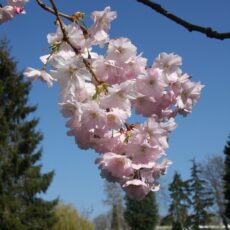
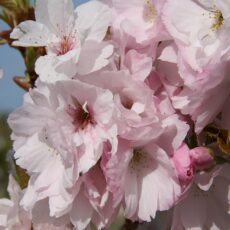
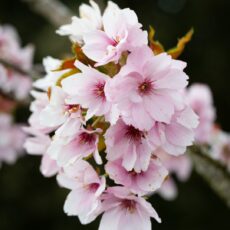
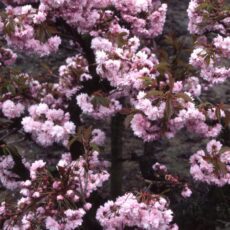
Spring‑flowering cherries include a range of species, such as the Kojo‑no‑mai and the Okame, and they bloom in colours from pale pinks to deep, rich carmines. Certain species of Prunus like Japanese Flowering Cherry can grow between 30-60cm every year, reaching a maximum height of up to 12m (39 feet).
Positioning
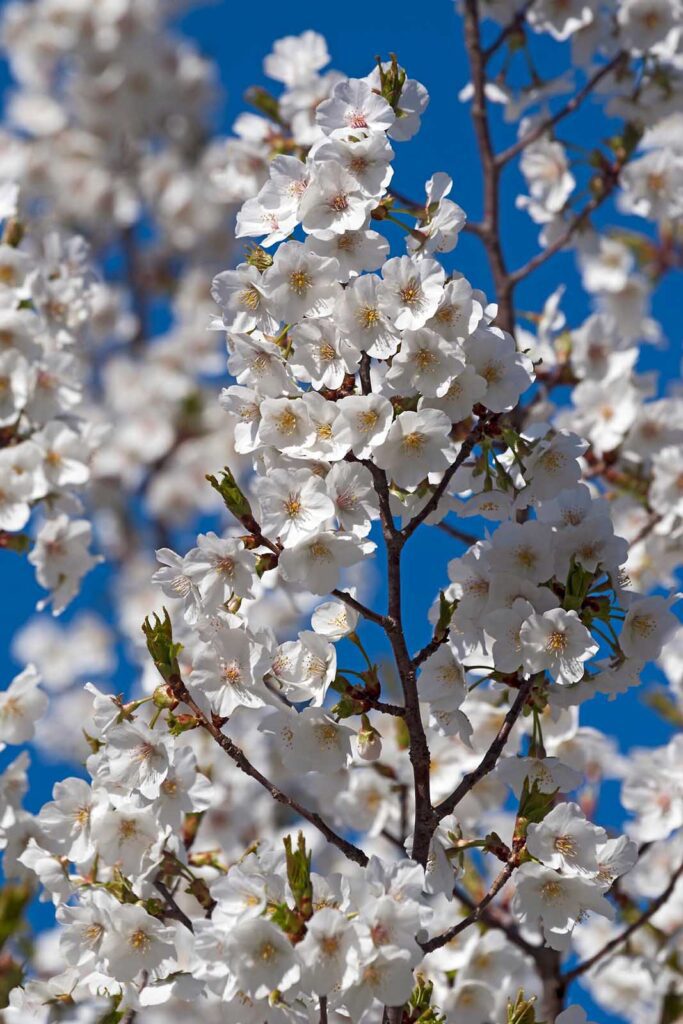
You can plant pot‑grown Prunus trees in either autumn or spring, but autumn is usually the best time because the weather is mild and helps the roots establish. However, if you live in an area with very cold winters, it’s safer to wait until spring.
Prunus spp. are hardy in RHS zones H6 to H4 depending on species, making them well suited to the UK climate. Prunus also tolerates air pollution well, so it’s a good choice for urban gardens.
Soil Type and Conditions
Prunus plants grow well in areas with moist, well-drained soil and plenty of sun. Avoid planting in either waterlogged or dry soil. If you’re looking to give any prunus plants in your garden a boost, enrich the soil beneath with organic matter which provides essential nutrients for healthy growth.
Watering
Prunus is a drought-tolerant genus, requiring minimal watering once every 2-3 weeks, which provides enough time for the soil to dry out. As an outdoor plant, prunus can adapt to various climate zones, including heavy rainfall and dry spells, which may further influence its watering needs.
If you are using a peat free compost, you should check below the surface level to confirm if the compost is moist before watering.
Pruning
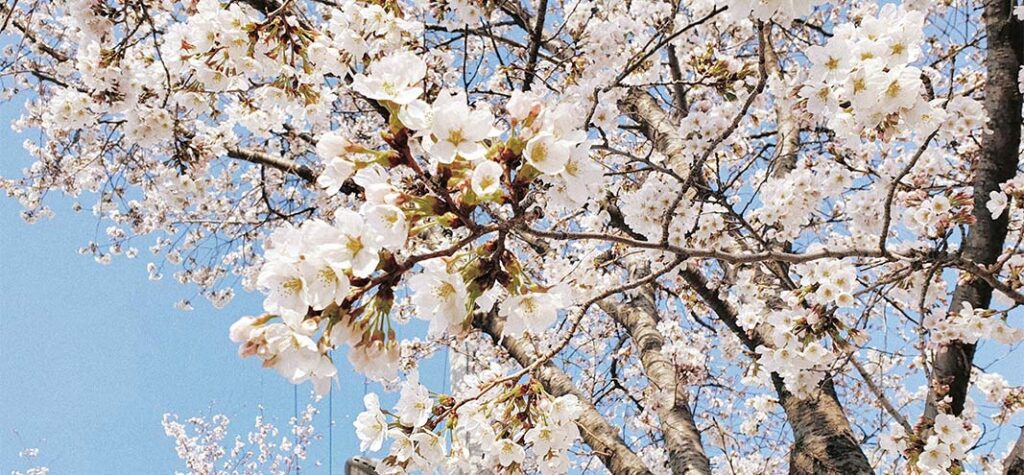
Start by removing any broken, dead, or diseased branches to prevent the spread of infection and improve airflow in the prunus. Afterwards, remove any branches that cross over each other and ensure all branches are distributed evenly. For any prunus bearing fruit trees, aim for an open centre structure that allows sunlight to reach all fruiting wood.
Cut back any long, fast-growing shoots which helps redirect energy into fruiting and blossom production. Just be sure not to cut too close to the trunk.
About Prunus
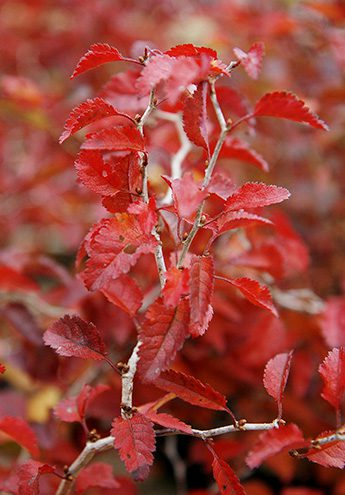
Prunus species grow across much of the world, thriving in temperate and tropical regions. This wide distribution makes Prunus one of the most resilient and culturally significant plant groups, with more than 350 recognised species.
Prunus is also renown for the fruits they bear, which can include plums, cherries, peaches, nectarines and apricots, making them a vital component to any horticultural ecosystem.
Planting Ideas
Prunus trees bring elegance and seasonal drama to a wide range of garden styles. Their spring blossom makes them natural focal points in borders, courtyards and lawn plantings, while their graceful branching adds structure even after flowering. Many compact varieties thrive in containers, making them ideal for patios, terraces and smaller urban spaces. For a striking display, pair Prunus with early‑flowering bulbs, evergreen shrubs or perennials that complement their blossom and extend interest through the year.
View our Collection of TreesInteresting Prunus Facts
- Stone Fruit Provider: Prunus species produce varieties of stone fruit, which are fruits that have hard, stone-like seeds at the centre. This includes plums, cherries, apricots and more.
- Ornamental Beauty: Many Prunus plants like the Japanese cherry (Prunus serrulata) are a sight to behold and beloved by many artists, tourists, etc. for their abundance of fruit and beautiful spring blossoms.
- Medicinal Value: One species of Prunus, Prunus africana, is adored by many for its medicinal benefits, with its bark being used in herbal medicine for its anti-inflammatory effects and ability to bolster your immune system.
- Peaches Predate People: According to Chinese archaeological records, Prunus persica (commonly referred to as the Peach tree) has existed in the Yunnan province in Southwestern China during 8000–7000 BP long before the first presence of humankind was archived in the region.
- Toxic Defence: While the fruit they produce is generally safe to eat, many Prunus species produce hydrogen cyanide within their leaves and seeds, making them toxic to consume.
- Adaptability: Prunus species are incredibly resilient and can grow in areas they’re not native to, making them an excellent choice for landscaping projects worldwide, such as streets and courtyards.
- Shape Changer: With over 350 accepted Prunus species, they can come in all shapes and sizes, from deciduous trees and shrubs to unique hybridised forms, making them a great fit for everyone.

Add To Wishlist
To save products, log in to your Gardening Club account or create a free account.
Login To Your Account